Telepresence: Your Branch Doesn't Need More Square Meters
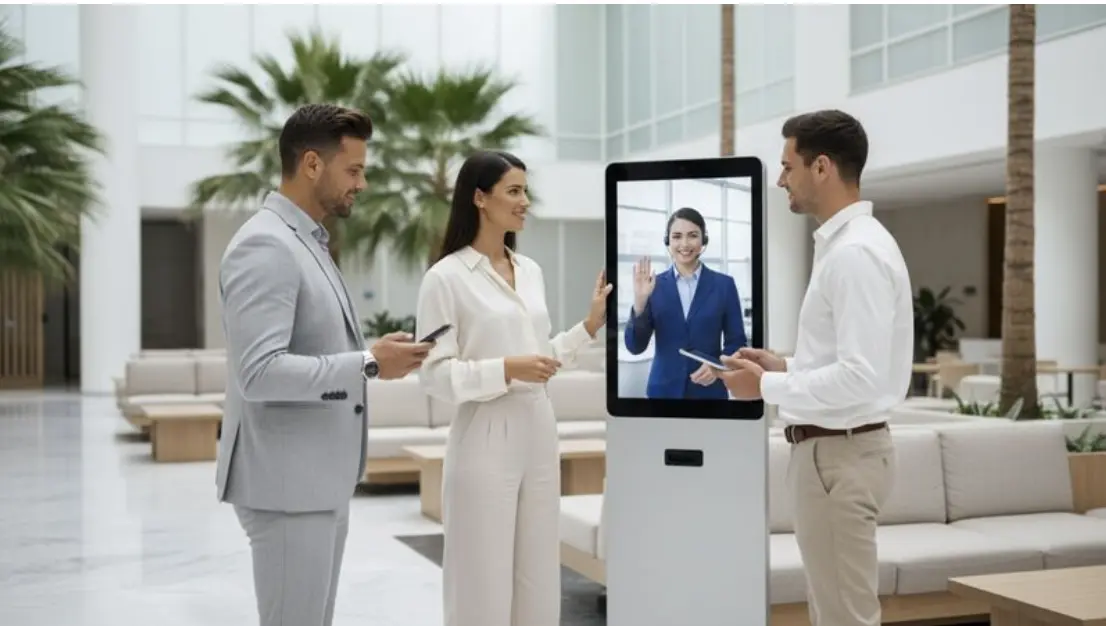
Photo source: Interactive Powers
Telepresence: Your Branch Doesn’t Need More Square Meters
A branch closes at 6:00pm. The customer arrives at 6:05. A counter with no one behind it, lines that grow at peak hours, one specialist who can’t physically be in three locations at once. For years the only answer to this was more square meters, more local staff, or fewer hours of service — none of which scale well.
Telepresence changes the equation. It isn’t just a video call, and it isn’t just another digital channel sitting next to the rest: it’s the integration of a physical point of service — a branch, a store, a counter — with an expert team located anywhere else, connected digitally. That’s also why it’s called a phygital experience.
The customer still wants a face-to-face encounter. What changes is that the ability to serve them is no longer tied to square footage, local staff, or opening hours.
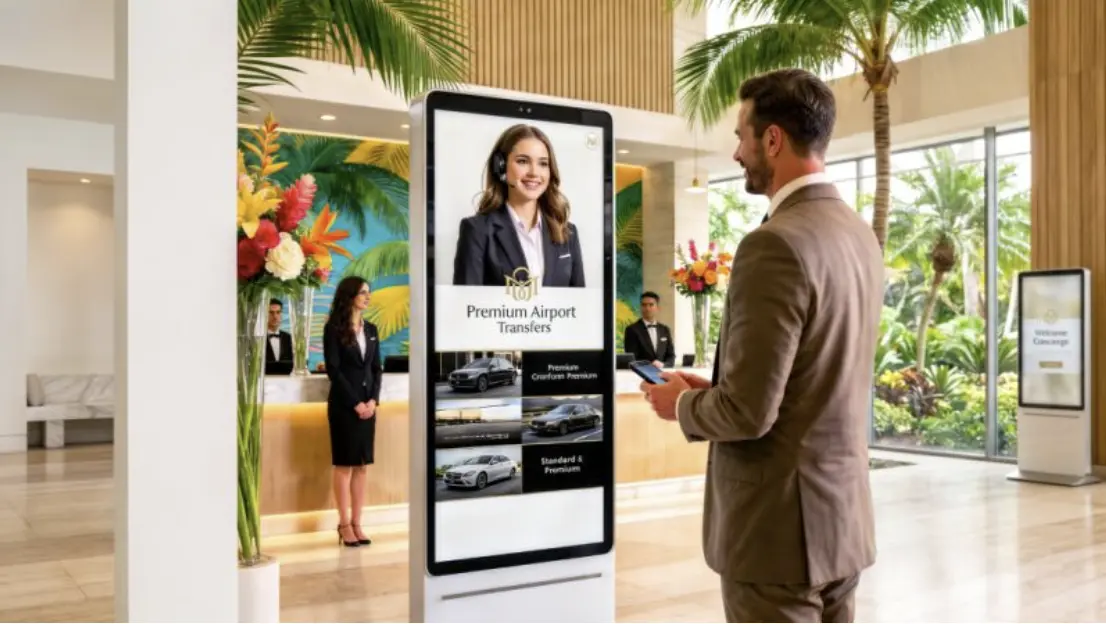
📍 A traveler needs a premium airport transfer at midnight, when the physical desk is unstaffed — a kiosk connects them face to face with an agent in seconds.
🏢 A bank branch in a small town can’t justify a full-time specialist for mortgages or investment advice — telepresence puts that specialist on screen only when a customer actually needs them.
🕐 A retail flagship extends its “open” hours without extending payroll, because the expert behind the screen can be serving three storefronts in sequence.
The organizations piloting this model report being able to reduce the operating cost of in-person customer service by 50% to 75% — without sacrificing the human warmth and empathy that a phone tree or a chatbot can’t replicate at a counter.
💡 Is your physical network still measuring capacity in square meters and headcount, or in coverage and response time?
👉🏻 Share how your branches are evolving — we’d like to compare notes.
Interactive Powers - Streamline your business communications